In what position to sleep with a lumbago?

Lumbago, which is usually characterized by lower back pain, affects not only your daily life, but can also affect your sleep. A bad sleep position could cause or even worsen your pain, which is why today we are going to find out which are the best sleep positions if you have low back pain.

Sleeping with a lumbago can quickly turn into an ordeal

Having a low back pain can prevent you from getting a good night’s sleep, but if you don’t get a good sleep position, it could also make your pain worse. A poor sleep position could even be the underlying cause of your pain. Indeed, certain positions can exert unnecessary pressure on the neck, hips, pelvis, back…

The most important thing to prevent pain and above all to keep the natural curve of your spine. One sure way to make sure of this is to have your head, shoulders and hips properly supported and the best position for proper alignment and generally on your back.

However, many people do not feel comfortable sleeping on their backs, and in other cases this position may not be recommended in cases of sleep apnea for example. Everyone sleeps differently, but depending on where you are, there are a few tips you can learn to help reduce and prevent back pain.

So, if you suffer from lumbago or other back pain, try the following sleep positions that will help relieve and prevent your pain to give you a good, restful sleep.

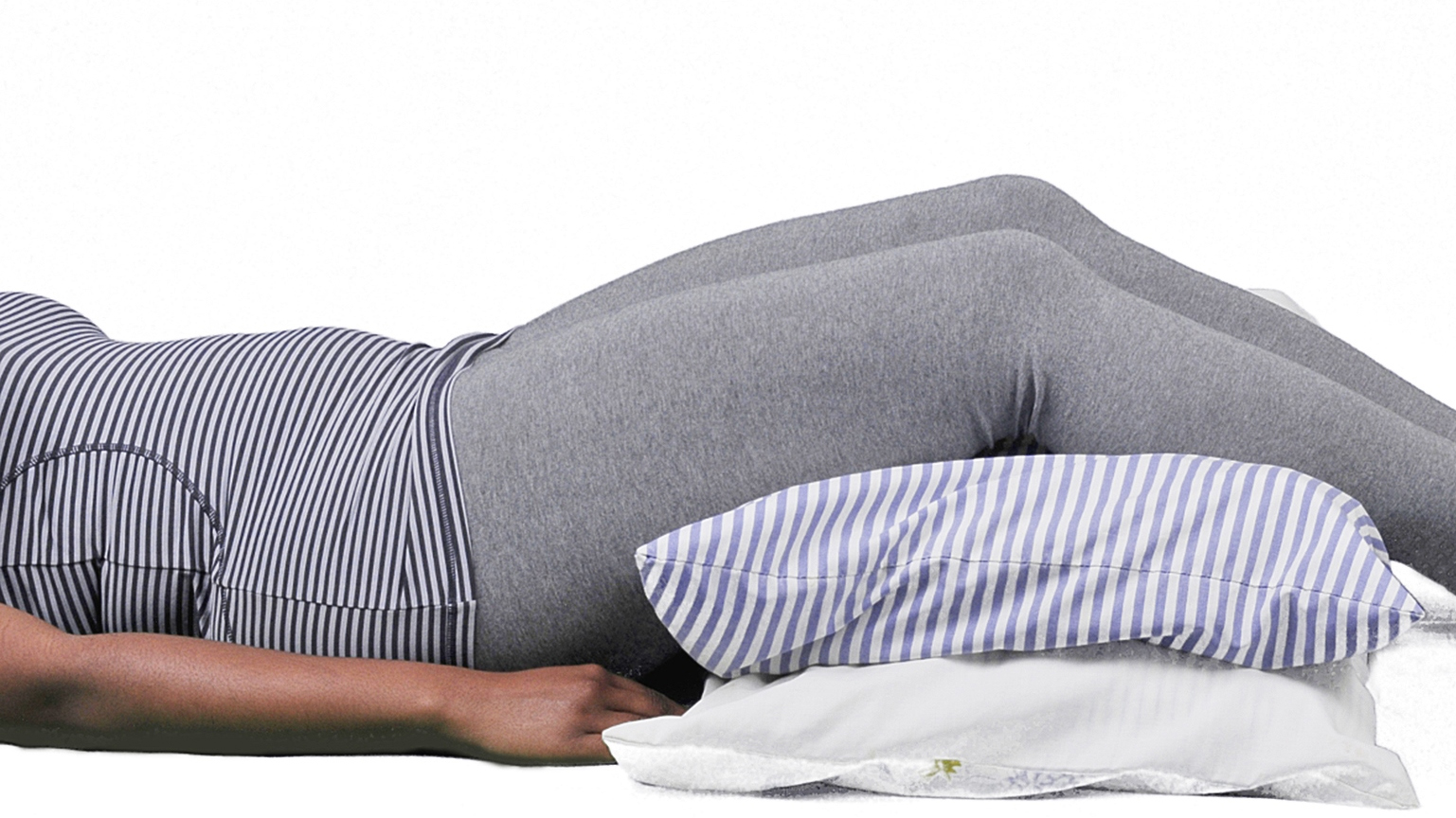
Sleep on your back with a pillow under your knees

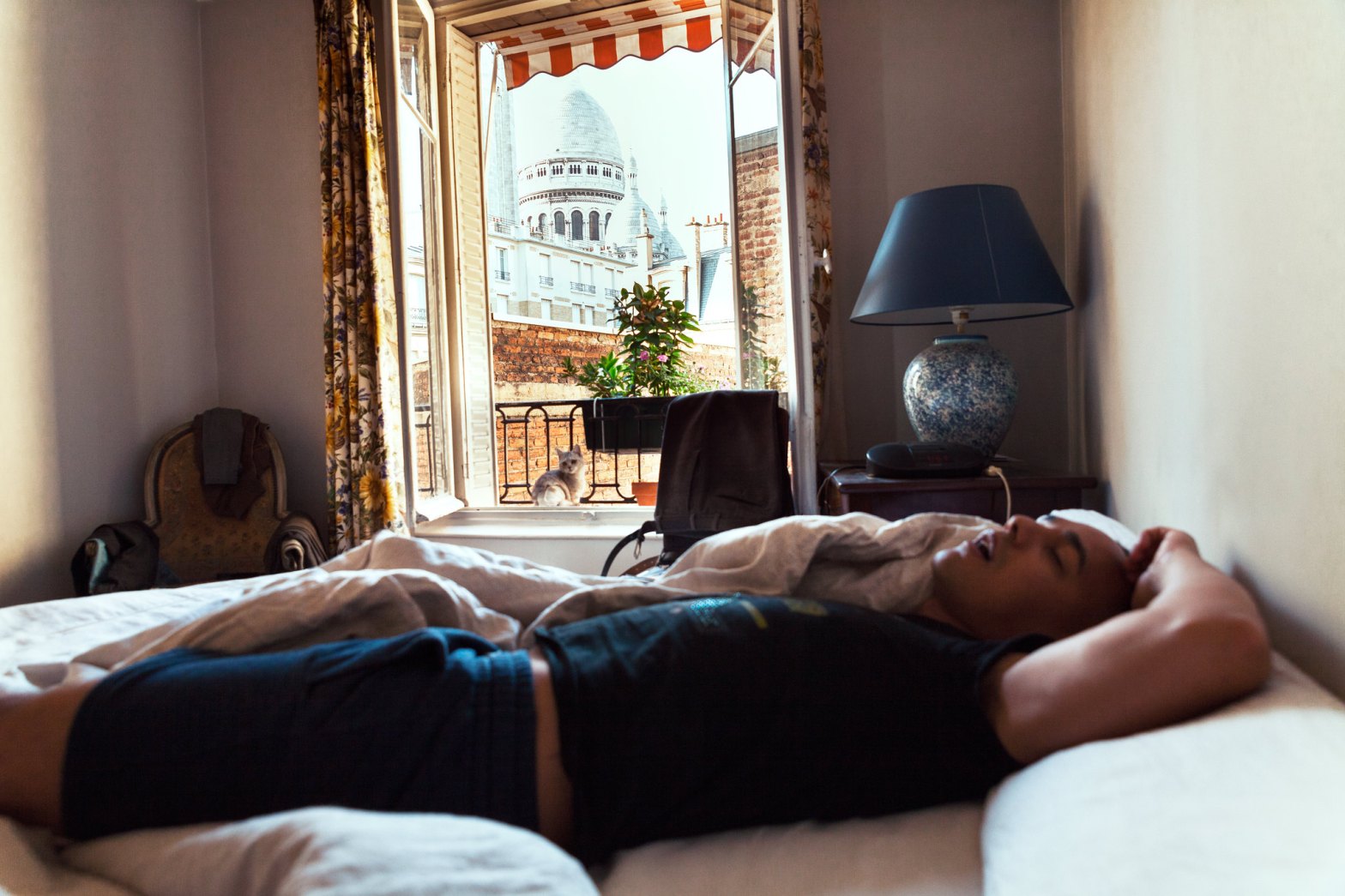
Sleeping on your back is generally considered the best sleeping position to take care of your spine and avoid back pain. This position distributes your weight evenly and also minimizes pressure points while ensuring proper alignment of your head, neck and spine.

Placing a pillow under your knees will provide you with additional support and maintain the natural curve of your spine. To really have an optimal position, lie on your back, facing the ceiling, avoiding twisting your head.

Place a pillow to support your head and neck and place a pillow under your knees for better support and alignment. Possibly, if you suffer from severe pain, placing a small pillow under your back could also relieve you.

Sleep on your side with a pillow between your knees

Sleeping on your side and the most popular position and considered by many people to be the most comfortable, but this does not necessarily offer the best alignment of the spine and can quickly tire your back.

However, no worries, this can easily be fixed. If you sleep on your side, you can simply place a pillow between your knees.

This lifts your upper leg, which restores the natural alignment of the hips, pelvis, and spine. This position with a pillow is also the preferred position for many pregnant women and, for optimal support, you can also place a pillow at your waist.

Sleep in a fetal position

The fetal position is particularly recommended for people suffering from a herniated disc. This position provides effective relief, which is mainly due to the fact that lying on your side with your knees bent reduces the bending of the spine and helps to relax the joints.

Sleep-fetal-position

This position can also be very effective if you suffer from lumbago but, if you sleep in the fetal position, still take care to keep your back straight and, in this position also, you can possibly place a pillow between your legs.

Sleep on your stomach with a pillow under your stomach

Of all the sleep positions you can imagine, sleeping on your stomach is generally considered to be the worst position possible. However, for those who have trouble sleeping in another position, you can place a small pillow under your belly and at your hips, which can help you improve the alignment of your spine.

This position can also relieve you if you suffer from a herniated disc but, if you sleep on your stomach, it is better to use a flat pillow, even not even a pillow, where you could suffer from pain in the area neck and cervical when you wake up.

Our opinion to sleep better with lumbago

So, if you suffer from lumbago, the best is still to sleep on your back, which will offer you a perfect alignment to reduce and prevent your pain. However, if you prefer another position, these few tips should help you keep a good alignment to enjoy a good restful and painless night’s sleep.

Read More

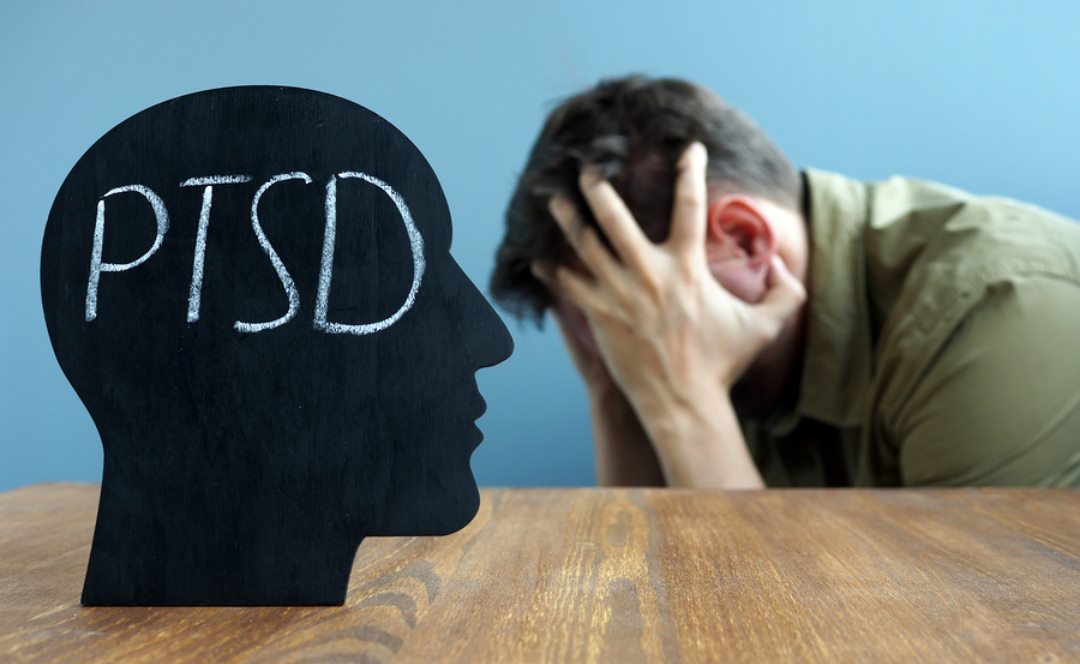
How to live after a traumatic event?

Belgium experienced a day of horror last March. What was so feared happened, mowing down lives, mutilating others, shocking countless. Here and elsewhere. A few weeks after these attacks, we can truly speak of a societal trauma that is all the more acute since it is not the result of an accident or a natural disaster but indeed of voluntary acts of rare violence interpersonal. What are the symptoms left by such traumatic events? How to cure them? How can we support loved ones and colleagues who have experienced them?

Today, it is not only the direct victims, those who were at the scene of the attacks, who are still plagued by physical and mental suffering, but society as a whole. The unusual scale of these dramatic events multiplies the number of indirect victims, generally limited to the family and friends of those involved. Among these indirect victims, there are obviously the many people who were stranded in business on Tuesday, March 22, those who were evacuated, had difficulty returning home or to pick up their children. But we also find all those affected by the hype that followed, even though they were not involved in the chaos of this tragic day.

Trauma from interpersonal violence is unique in that it attacks the bonds between individuals. Mistrust and suspicion set in. Many avoid public places. Travel by public transport is feared. We note the development of many amalgams, including in the workplace where colleagues who have been appreciated until now are now the object of distrust or even rejection based on their cultural background. In addition to the usual symptoms of trauma, there is also a deterioration in social relations which is detrimental to the functioning of society as a whole.

Stress, trauma, trauma and post-traumatic stress

Faced with a potentially traumatic event, humans can develop different reactions, which differ depending on the nature of the event, the degree of proximity to it, but also on the personality and experience of the victim.

The most obvious and well-known reaction is obviously that of stress, described as a standard physiological reaction of alarm and defense of the organism in the face of aggression. For ordinary people, a situation is effectively stressful only if it is perceived as such. Individuals subjected to more or less acute stress will put in place adaptation strategies (cognitive or behavioral) to deal with it.

We very often describe stress in positive or negative terms although today, the tendency is to reserve the word “stress” for negative aspects and to replace the notion of “positive stress” by the more appropriate terms of “mobilization “Or” motivation “. 1

The “trauma” directly echoes the psychoanalytic approach initiated by Sigmund Freud. It means a burglary injury while “trauma” is reserved for consequences on the whole body.

The trauma produces an irreparable psychic break-in. It exposes the victim to the appearance of a traumatic repetition syndrome: an initial event is, in the aftermath, rewritten and rewritten in the person’s life in the light of the present. The person lives in a permanent state of alert in front of an internal danger of the order of the horror which is repeated in an intrusive and tireless manner in the nightmares and the reminiscences. “When I arrived at the workshop, I discovered my direct colleague, Marc, who had hanged himself, says Paul. Since then, I have been haunted by the image of her purplish face. At any time, day or night, this image imposes itself on my mind and causes the same fear as the day of the discovery of the body. The situation is even more painful at night. Paul no longer dares to turn off the lights and he keeps pushing back the time for bedtime for fear of waking up anxious and terrified. Worse still: instead of diminishing, these flashbacks are now triggered at the slightest siren reminding him of the arrival of help at the scene of the tragedy. Paul is exhausted and he sinks into depression. He is now unable to return to work.

In a stressful situation, the victim therefore faces the threat by mobilizing his defensive resources. On the other hand, in the event of trauma, like that experienced by Paul, an image of the real of death will break into the psychic apparatus and become embedded in it like a “foreign body”.

As for post-traumatic stress syndrome, which is much talked about today following the various attacks that hit Paris and Brussels, it is defined as a severe anxiety disorder that appears following a traumatic event, which eventually exposed the individual to death. Direct victims of the event or witnesses to a disaster are most often affected. As main symptoms, we find insomnia, nightmares, irritability, isolation, anger, fear, sometimes violence or addictions (alcoholism …) and depression. In some people, post-traumatic stress can lead to more disabling disorders such as avoidance (avoiding crowds, public transport, etc.).

Another condition that may appear in victims or witnesses is “survivor syndrome”: they develop guilt because they are alive and others have perished at the scene of the disaster.

Following a traumatic event, symptoms may appear for several days, weeks, or even months. We speak in the latter case of chronic post-traumatic stress.

After the attacks of March 22, it is certain that there are still today victims subject to a state of post-traumatic stress. Most are obviously the direct victims (wounded, witnesses, families of the victims, etc.). Others, far more numerous, live in a state of psychological trauma. Sometimes ignoring it.

How to identify a traumatized relative or colleague?

Certain behaviors and attitudes are indicative of a potential state of mental trauma. The following symptoms should, at this point, just a few months after the event, arouse your attention.

First of all, physically: the person reports sleep disturbances, fatigue or even exhaustion. She has exaggerated startle reactions, increased needs for alcohol, tobacco, coffee or other substances.

Intellectually then: your acquaintance complains of the presence of flashbacks, she has memory problems, is unusually inattentive and absent-minded, has “absences”, commits unusual errors in her work.

Finally, emotionally, the person tends to isolate himself, to withdraw from certain tasks or missions. She may become discouraged, show anger or resentment. It expresses a feeling of insecurity and emotional dullness.

These reactions are normal after a critical event, but they are unquestionably unpleasant. They can affect individuals in different ways depending on their personality and their experience. It is often important to know that people who have been assaulted in the past (which you may not have been aware of) are generally much more affected by current events.

These natural reactions can remain stable at first and decrease in the weeks that follow. This will be the case for the majority of the victims. However, there is a risk that these reactions will increase and occur more and more often. Consequences can then appear at the level of family and professional relationships. Appropriate care and a rest period may then be necessary.

What can you do to support a traumatized relative or colleague?

You don’t have to be a mental health professional to make yourself useful by showing humanity. Do not rush to directly delegate your support to professional help. Your sincere involvement will have a great impact. Show yourself to be human, close, and authentic, and use the tips below.

Don’t wait for help, offer it!

Take both the event that caused the trauma and the reactions it caused seriously. Do not minimize.

Let emotions and questions express without judging and without forcing them to be expressed.

Spend your time and listening to the person.

Offer your help with concrete tasks and material questions.

Be tolerant and patient.

Ask for help if you feel overwhelmed by the situation or have questions. Your sincere interest will be appreciated, but also recognize your limits by offering professional psychological support.

How to get out of the trauma?

First of all, we are convinced that by expressing our emotions, we release the energy accumulated in the body during the emotional experience and, with it, the impact of memories. Conversely, not expressing your emotions could create risks for the health of the individual. This is the model of the tank and the kettle: our emotions build up the pressure until the lid jumps off and the steam escapes in the form of tears, rage or cries. Closing the valves can cause the kettle to explode.

For psychosocial workers, the liberating virtues of the verbal expression of emotion have been abandoned and the challenge lies in the fact of gradually integrating traumatic memories into ordinary memories. To recreate meaning around what has none, and to integrate this “foreign body” with the rest of the psyche.

Learn More
Daily practical tips to follow the diet well

Learn to read nutrition labeling

Fats are indicated by the term lipids. Daily practical tips to follow the diet well. What is interesting is to look at the mention “of which saturated fatty acids”: if you have the choice between several products prefer the one which contains the least of saturated fatty acids. The sugars are indicated by the term carbohydrates. What is interesting is to look at the mention “of which sugars”: if you have the choice between several products opt rather for the one containing the least sugars.

To drink a lot of water

Water not only fills the stomach but also hydrates the body and supports it in its cleansing process. Water thus promotes various chemical and metabolic reactions. Water alone should be the main source of hydration, it is recommended to drink 1.5 to 2 liters of water per day. You should increase your water intake during heat and physical exercise.

Be careful however, sugary drinks such as fruit juices, sodas and syrups should not replace water. They are rich in hidden calories and can slow your weight loss. Tea and coffee without sugar can help hydrate the body, but your consumption should not exceed 2 to 3 cups per day.

Have a snack in the afternoon

A quality afternoon snack is useful for diet plan. It allows you to split the food and prevent cravings that push you to devour anything, anytime. By taking a snack in the middle of the afternoon, you will naturally eat less at the evening meal. To be nutritious, the snack must contain carbohydrates and proteins.

Here are some examples of balanced snacks:

1 apple and 5 to 6 nuts

0% yogurt with honey and some flax seeds

0% from age Balance with fresh raspberries

30g muesli in 1/2 cup soy milk

1 slice of whole meal bread and 30g light cheese

Read More

Find out how to fight with Dry skin

Have you barely applied your treatment when you feel your skin crack? Is your skin dull and looks tired? Find out how to personalize your daily skin care rituals to fight dry skin and regain a silky, radiant complexion full of life.

DELICATE CLEANSING FOR DRY SKIN

Make sure you choose the product used to cleanse your face. Some soaps have such a powerful detergent action that they can dry out your skin. For this, prefer creamy products that cleanse impurities without being aggressive and that also leave your skin silky.

The Chronos cleansing cream has the texture of a cream, it cleanses the skin while hydrating it for six hours. It contains a surfactant called betua from Cupuaçu, an active ingredient from Brazilian biodiversity that has the same potential as conventional cleaners, but acts with the softness of natural ingredients.

HYDRATING TONIC LOTION

Toning your skin after having cleaned it well should be an essential step in your beauty ritual, especially if you have rather dry skin. The Chronos hydrating tonic lotion incorporates Cell Detox technology which eliminates cellular toxins and prepares your skin for cosmetic care. In addition, it soothes and stimulates hydration of the epidermis for 12 hours.

HYDRATION OF DRY SKIN

Hydrating products create a barrier on the epidermis which limits the evaporation of water and capture in the environment the ingredients which immediately increase hydration. In addition, a good moisturizer must strengthen the skin barrier so that the skin retains its natural hydration. This step is crucial in the daily care routine of all those who feel that their skin is dry.

If you are concerned about the first signs of aging, we recommend that you use anti-aging day and night creams suited to your age.

SCRUB

Dry skin does not require the same cellular regeneration as combination and oily skin. But, once a week, it is important to carry out a light exfoliation to rid the dry skin of the dead cells and to favor the absorption of the active agents of your care. When the weather is very dry, you can space out this process and perform an exfoliation every fortnight.

Chronos microdermabrasion exfoliating creamhas a double exfoliation action: a physical process, which removes dead cells from the surface of the skin, and a chemical process which stimulates cell activity by penetrating into the pores. This combination guarantees you an intense and effective exfoliation which homogenizes your complexion, reduces fine lines, stimulates cell regeneration and prevents the formation of blackheads. This treatment will leave your skin silky, radiant and uniform from the first application.

HOW DO YOU REMOVE MAKEUP WITHOUT DRYING THE SKIN?

Failure to remove make-up before bed can further damage dry skin. To avoid attacking or drying out your skin when you remove your make-up, choose a product suited to your needs. The cleansing Biphase Chronos is ideal for cleansing your skin and does not need to be rinsed, it also has a soothing effect. It is perfectly suited for heavier makeup, for example water-resistant cosmetics, without damaging your skin.

EYE AREA

The area around the eyes is much more sensitive to dryness because the skin is thinner and therefore more delicate. Dry skin is more likely to have fine lines and wrinkles. Let yourself be tempted by the hydrating and anti-aging treatments dedicated to this area of the face, such as the eye contour smoothing serum which immediately firms the eyelids and, if you continue the treatment, reduces the depth of expression lines.

LIP CARE

If your skin type is fairly dry, your lips will tend to dry out quickly, especially when the weather is dry and temperatures are low. In this case, treat yourself to a moisturizing lip stick, you can apply it in the evening before sleeping to optimize the moisturizing benefits.

OTHER EFFECTIVE GESTURES

In addition to appropriate care rituals, it is also important to adopt other habits that help take care of your dry skin and keep your skin well hydrated. Here are the main ones:

Drinking enough water Each person has different needs, but the average is two liters a day.

Avoid cleaning your face with hot water or an exfoliating glove.

Do not expose yourself to too much sun and apply sun protection at each exposure.

Keep moisturizing cleansing wipes in your bag. As soon as you feel that your skin is getting dry, gently cleanse your skin then reapply your moisturizer, sun protection or a tinted moisturizer.

Read More

Beauty recipe: 3 facials for a flawless complexion

Natural and inexpensive, “grandmother” beauty recipes based on fruits, vegetables or plants have been passed down through the generations. Say goodbye to dull complexion, large pores, redness and irritation: here are 3 facial treatments for a perfect complexion!

Beauty recipe n ° 1: tighten pores, whatever the type of skin

If you have a dull complexion and large pores, don’t panic! A good revitalizing homemade treatment will restore clear and clear skin in two stages, three movements.

The recipe: mix three spoons of honey with a spoon of lemon juice. Let stand for a quarter of an hour before rinsing with clean water. Honey, widely used in hammams, will refine your skin texture while hydrating the epidermis.

Extra tip

Instead of rinsing with clear water, use rose water or an elderberry or sage infusion. These plants, with astringent and purifying characteristics, are rich in antioxidants. They refine the skin texture and participate in the regeneration of epidermal cells. Your complexion is radiant!

Beauty recipe n ° 2: moisturize dry skin

Mix almond powder with half a yogurt. The almond revives the complexion and can even be used as a scrub, for a tenfold beauty effect.

Another beauty tip  : mix half an avocado with a spoon of olive oil and another of honey. Very nutritious, this homemade mask is also used on dry hair.

Extra tip

To make the redness of the face disappear, linked to the cold for example, prepare an infusion of chamomile (soothing and anti-inflammatory). Let cool and apply to your face using a compress. The effect is immediate!

Beauty recipe n ° 3: purify oily skin

For combination or oily skin, the essential ingredient is lemon juice which restores radiance to the complexion

Directions: mix two tablespoons of pink clay (not green clay, too aggressive) with the juice of half a lemon. Let stand for a quarter of an hour before rinsing with clean water.

Another recipe: cook young nettle shoots and add a few drops of rose water or lemon juice. Let cool before applying the mixture to the skin, avoiding the eye and lip area. This recipe even works in hair care on oily hair!

Extra tip

For those whose acne is still a problem, the oatmeal mask is for you! Mix three tablespoons with a little water and apple cider vinegar. Let stand for ten minutes. Rinse with rose water. The result is amazing!

Do you know other beauty recipes for the face?

How to improve your sleep durably?

Sleep affects not only our energy, but also our emotions, our physical and mental performance, our concentration, and even our appetite. Getting a good sleep can strengthen your immune system, but also reduce the risk of diabetes, cancer, obesity, or depression.

Almost one in two French people is affected by sleep disorders. Whether it is too long to fall asleep, to wake up at night, or to wake up early in the morning, the repercussions of a sleep disorder can be significant in everyday life. Rather than sleeping pills, there are simple, natural solutions to improve sleep and get a better night’s sleep.

How do you know if you’re getting enough sleep?

There is no ideal duration of sleep. Some “little sleepers” will need only 5 to 6 hours of sleep, while “big sleepers” will need 9 or 10 hours. This difference is determined by our genetics and our environment.

Age also influences the amount of sleep you need:

  • Children up to 3 years old need 12 to 15 hours of sleep a day
  • From 3 to 5 years old, children need from 11 a.m. to 1 p.m.
  • From 5 to 12 years old, it’s 9 to 11 hours on average
  • Adolescents over 12 need 8-10 hours
  • For adults, the usual average remains 7 to 8 hours of sleep per day.

To know if you have slept enough, you must:

  • Be able to operate normally until the end of the day
  • Do not experience significant drowsiness during the day
  • Have sufficient vigilance even after meals, in a heated room, with boring activity

To find out how many hours of sleep you need per day, you can try to find out your natural needs by calculating the average amount of sleep you need during your second week of vacation.

What is the biological clock?

Being an “early bird” or a “night owl” would be part of our genetic heritage. Our circadian rhythm (the alternation between day and night) influences our internal biological clock and conditions the hours of falling asleep and waking up. In addition to our genes, certain environmental factors influence the biological clock:

  • Life constraints such as working hours or managing children
  • The exposure to daylight
  • food
  • Physical activity
  • Age since adolescents are rather late-nighters while the elderly are early risers
  • Knowing your biological clock allows you to respect sufficient and restful sleep time.

What are the sleep cycles?

Sleep is mainly divided into two cycles which return approximately every 90 minutes:

Slow sleep which is divided into light slow sleep and deep slow sleep. It is characterized by a slower and deeper brain which makes it possible to avoid waking up at the slightest noise.

REM sleep, in which there is no more control over the muscles to allow the brain to dream

Each phase is very important not only to rest, but also to allow a good functioning both physical and psychological.

What are sleeping sicknesses?

Even if sleep disorders can be symptoms of other diseases (asthma, hormonal disorders, rheumatism, etc.), there are also sleep diseases:

Insomnia

With almost one in five French people suffering from this disease, this occasional or lasting disease results in poor quality sleep, difficulty falling asleep, multiple awakenings during the night, or too early awakening in the morning . It usually causes fatigue, irritability, mood, memory or concentration disturbances. Anxiety, stress and depression are the main causes, but always look for another disease.

Sleep apnea syndrome

This disease is characterized by repeated stops of breathing during sleep. These are apneas linked to an obstruction in the throat. It requires equipment by a device to help breathe during sleep.

Restless legs syndrome

It results in impatience in the lower limbs. Generally familial, it may be linked to a neurological problem or an iron deficiency.

Narcolepsy

This rare disease results in severe drowsiness during the day.

How to improve sleep naturally?

Some very simple tips can help improve sleep that is affected by the environment and living conditions:

  • Avoid stimulants like coffee, tea, sodas, sugary drinks…
  • Avoid practicing a sport as well as all very stimulating activities after 18-19 hours
  • Encourage relaxing activities in the evening: reading, music, stretching
  • Avoid heavy meals in the evening and alcohol at dinner
  • Respect your sleep pattern
  • Reserve the bedroom for sleep and sexual activity by avoiding watching TV in bed, working or eating in bed
  • Take a warm bath at least 2 hours before bedtime to help relax and increase the depth of sleep
  • Go to bed only when you feel sleep signals (yawning, heavy neck, itchy eyes, etc.)
  • Follow your body’s wake-up signals: if you can’t sleep or have been awake for more than 20 minutes, get up and do something else
  • If you are awake in the morning, do not try to prolong your sleep at all costs, but on the contrary, get up and start your day
  • Avoiding screens at least 1 hour before going to bed is a simple measure that effectively reduces insomnia. The influence of blue light on television, computer, tablet or telephone screens is very important on the biological clock. Light acts as a stimulant that puts the brain on alert and prevents sleep

Can herbal medicine help improve sleep?

Certain plants are real remedies without addiction or side effects to improve the quality of sleep. Their benefits generally appear 3 to 4 days after the start of their use:

  • Hawthorn particularly effective in case of stress, and anxiety
  • The linden tree that calms and promotes sleep
  • Passionflower effective against depression and insomnia
  • Valerian very useful in case of nervousness, or stress
  • Lemon balm which has a sedative action
  • Chamomile which calms and aids digestion

All these plants can be consumed in the form of food supplements, decoctions or conventional infusions.

What is melatonin?

Melatonin is a very important hormone to prepare the body for sleep. Its secretion begins when the light declines and continues throughout the night with a peak around 3am. It lowers body temperature, the stress hormone (cortisol) or even blood pressure. Available for a few years in the form of a drug, melatonin helps to reprogram the biological clock, especially in night owls or people who experience jet lag. It should be used for a short time, at a dose of less than 1 mg and in immediate release, 2 to 4 hours before bedtime. It should always be combined with behavioral approaches such as screen suppression, relaxation and the bedtime ritual. Before taking melatonin treatment, make sure you do not have a contraindication, and discuss it with your doctor.

When should you consult?

When sleep disorders set in and begin to have consequences during the day, it is best to consult your doctor first. He can propose:

  • Complementary examinations in search of a disease
  • A consultation with a sleep doctor to do a polysomnography, that is to say a recording of sleep during the night
  • Antidepressant or anxiolytic treatments if necessary

Due to their risk of addiction, sleeping pills should not be taken for more than 4 weeks and should always be combined with behavioral measures.

Learn more about Sleep Management

Design a site like this with WordPress.com
Get started